
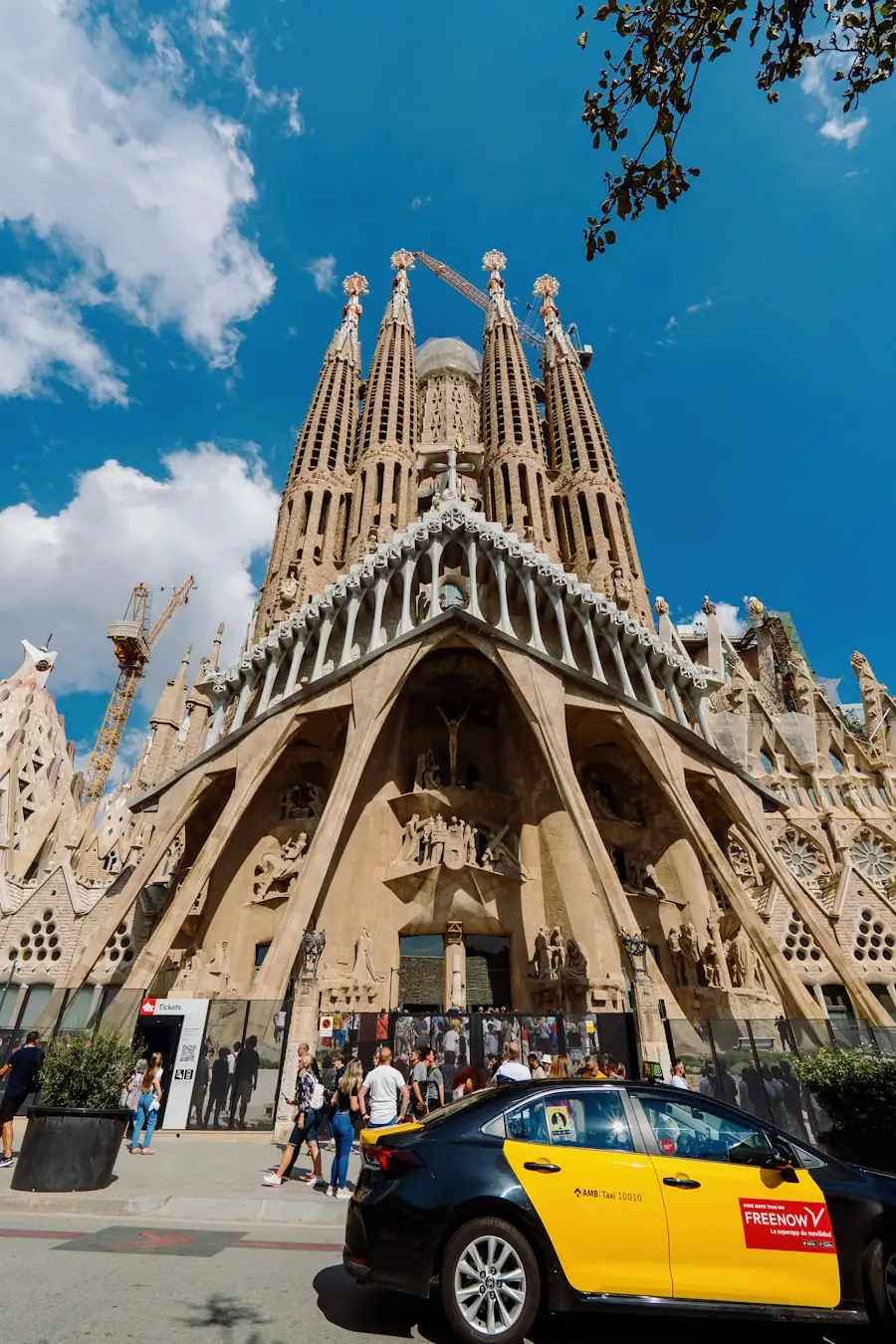
Sagrada Família
Antoni Gaudí's masterpiece — a basilica under construction for over 140 years and a UNESCO site.
The Catalan capital with Gaudí's architecture and a Mediterranean coastline
Buses from Barcelona run regularly, with tickets from roughly 8,710 ₴ — paid to the driver in the local currency on boarding, so the exact sum follows the exchange rate. The most popular direction is Lviv, 34–39 h on the road. A seat is reserved online with no prepayment.
Barcelona is the largest city in Catalonia and one of the most visited capitals in Europe. Medieval Gothic quarters, Antoni Gaudí's modernist masterpieces and a vibrant Mediterranean waterfront sit side by side.
The city is alive year-round: Barceloneta beaches, Gràcia cafes, Montjuïc concerts and the iconic Camp Nou football arena.
It's the main transport hub of the western Mediterranean — onward bus connections to Valencia, Madrid and France are frequent and convenient.
Antoni Gaudí's masterpiece — a basilica under construction for over 140 years and a UNESCO site.
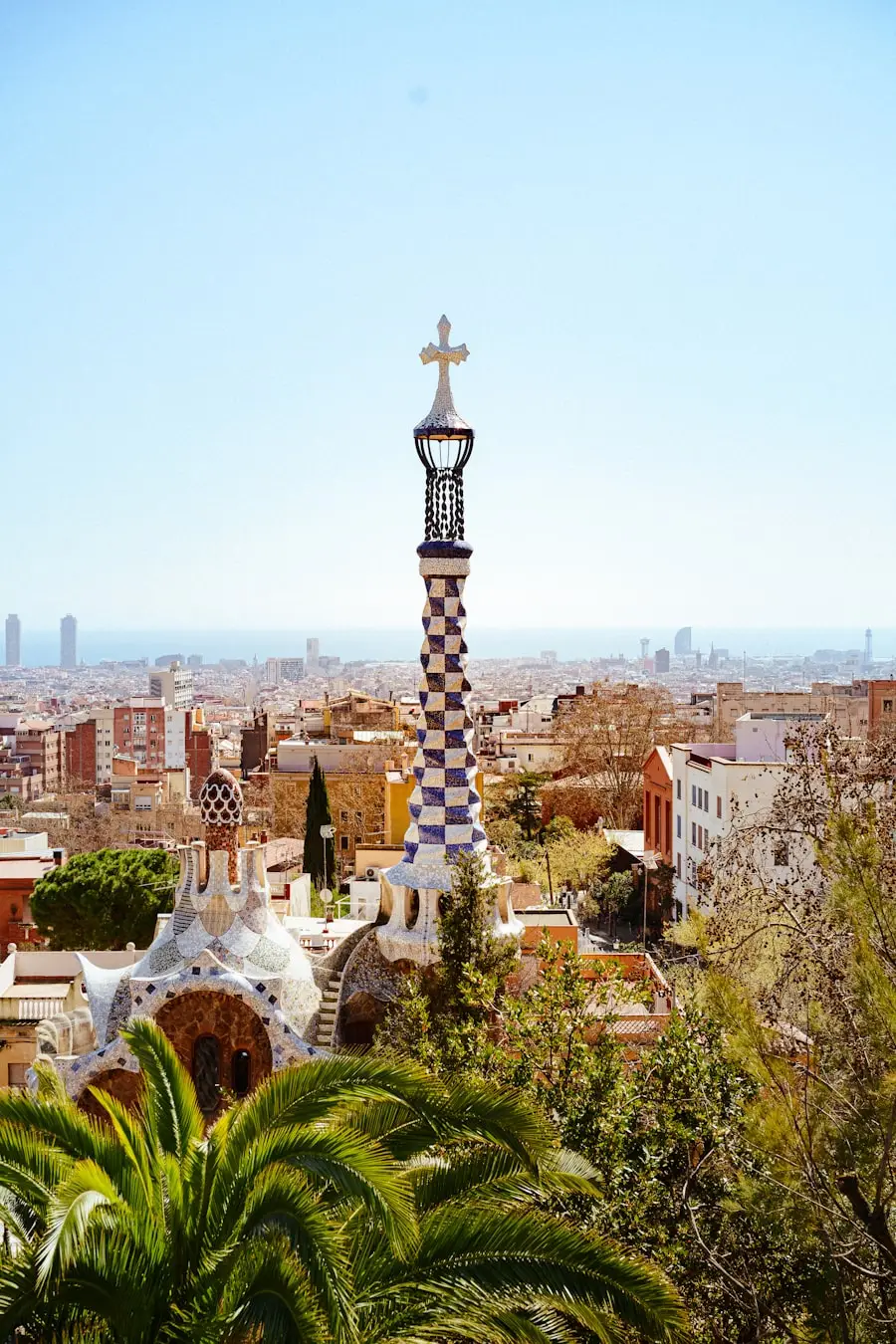
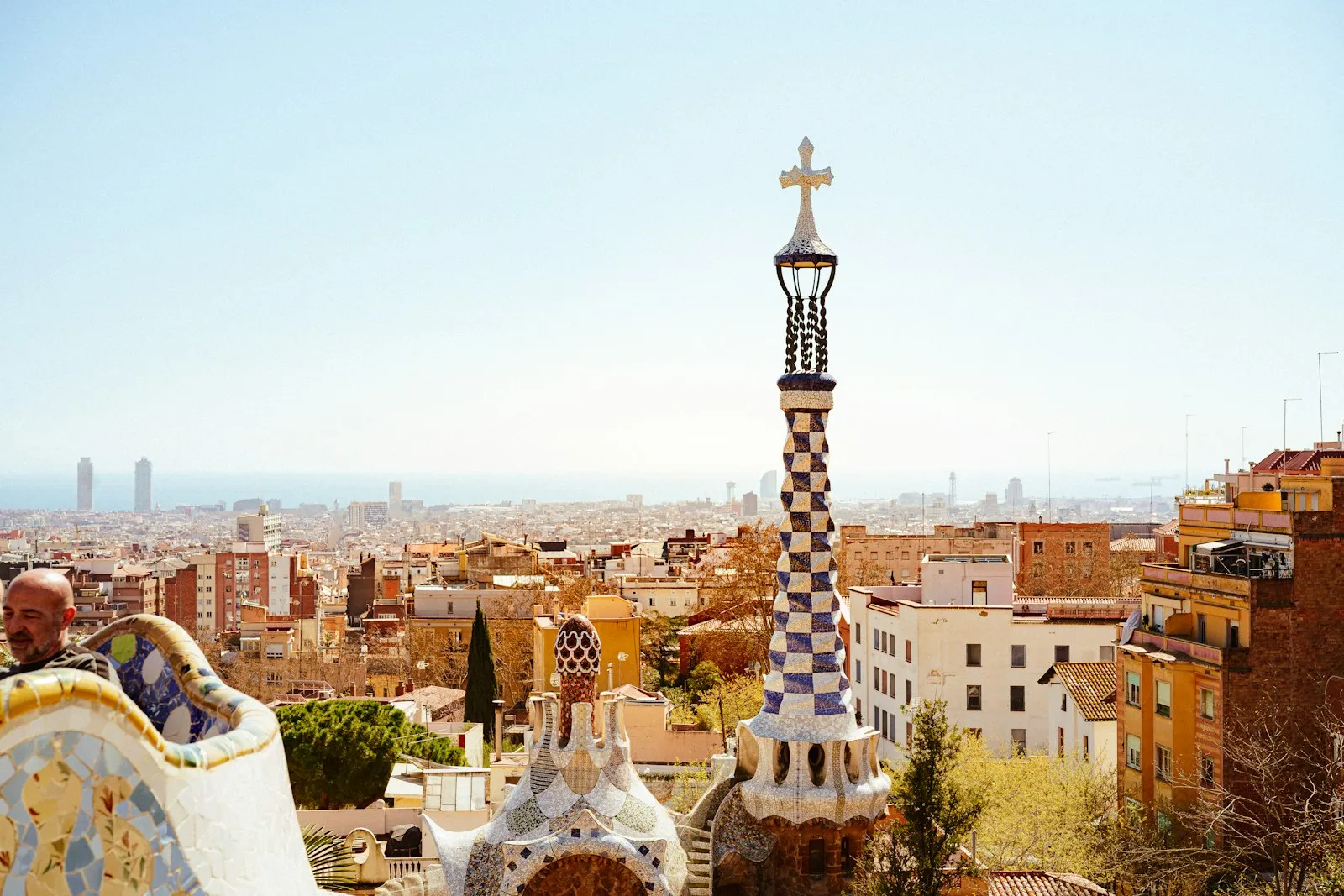
Gaudí's modernist park with mosaic sculptures and panoramic city views.
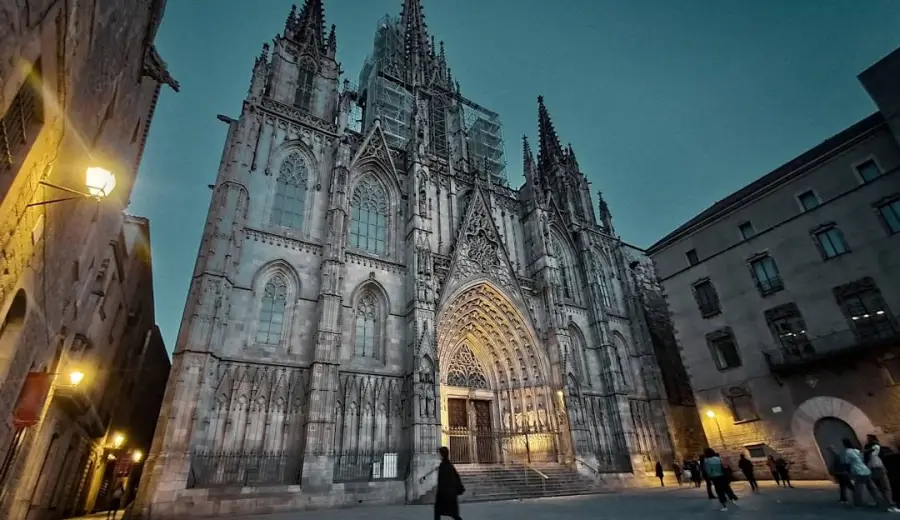
Barcelona's medieval heart with narrow streets, a cathedral and Roman ruins.
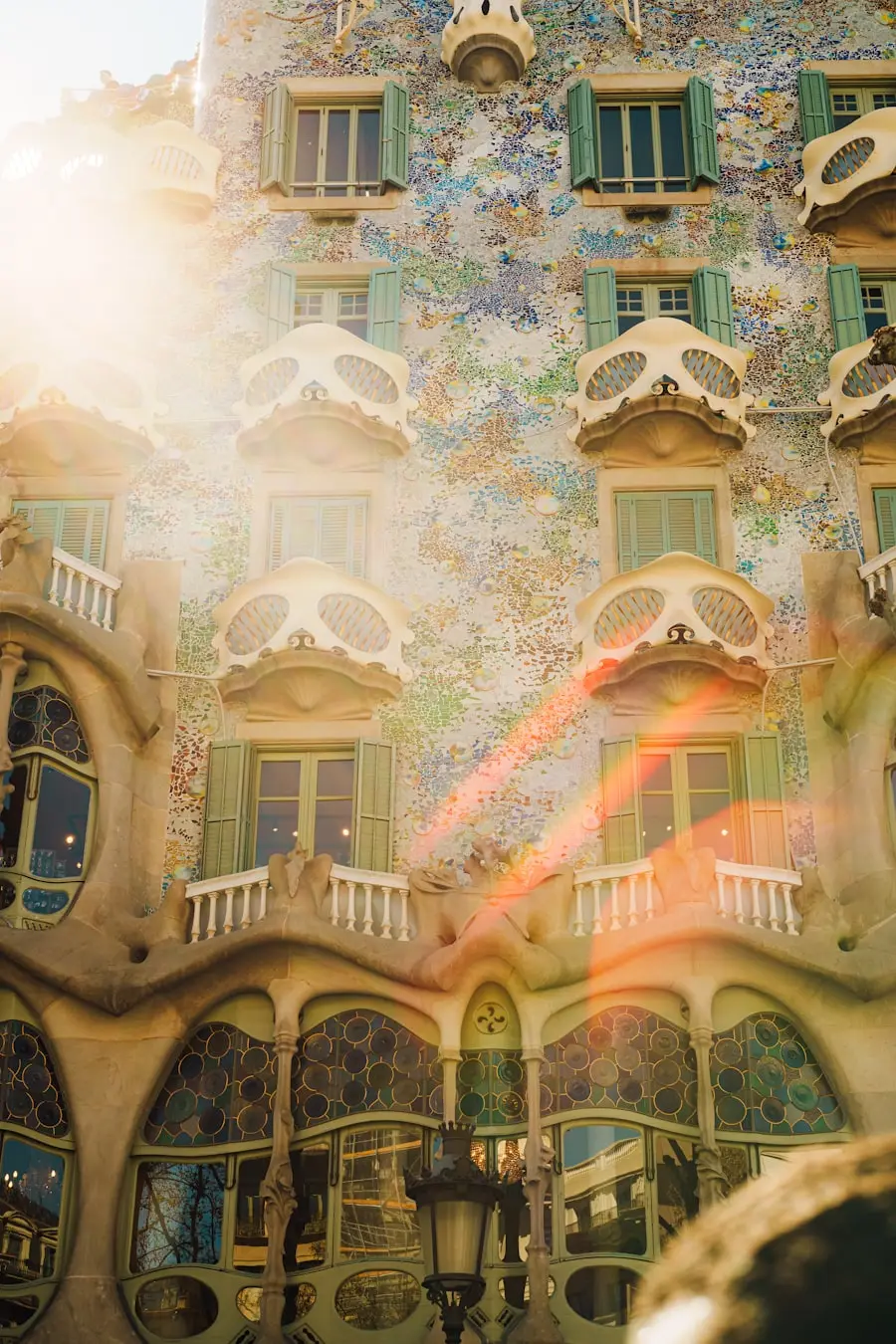
Gaudí's modernist house on Passeig de Gràcia — a UNESCO site.
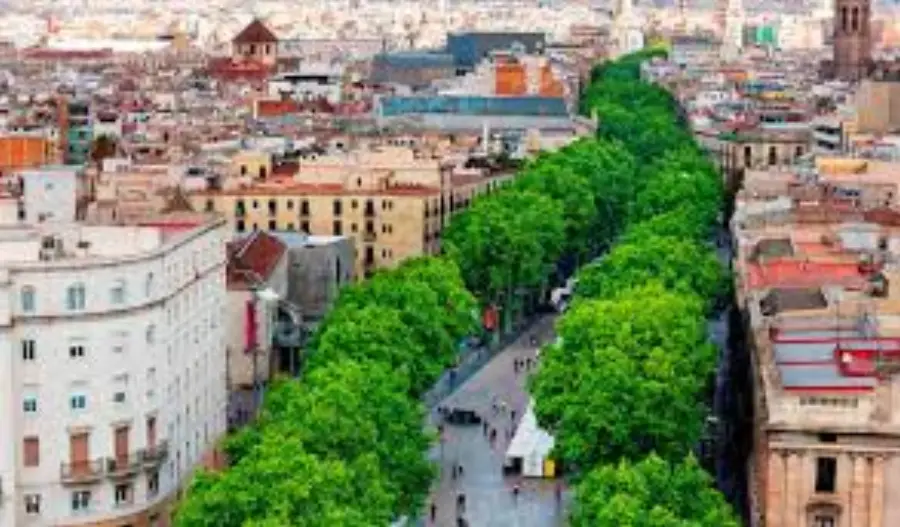
The city's liveliest pedestrian street, running from Plaça de Catalunya to the port.
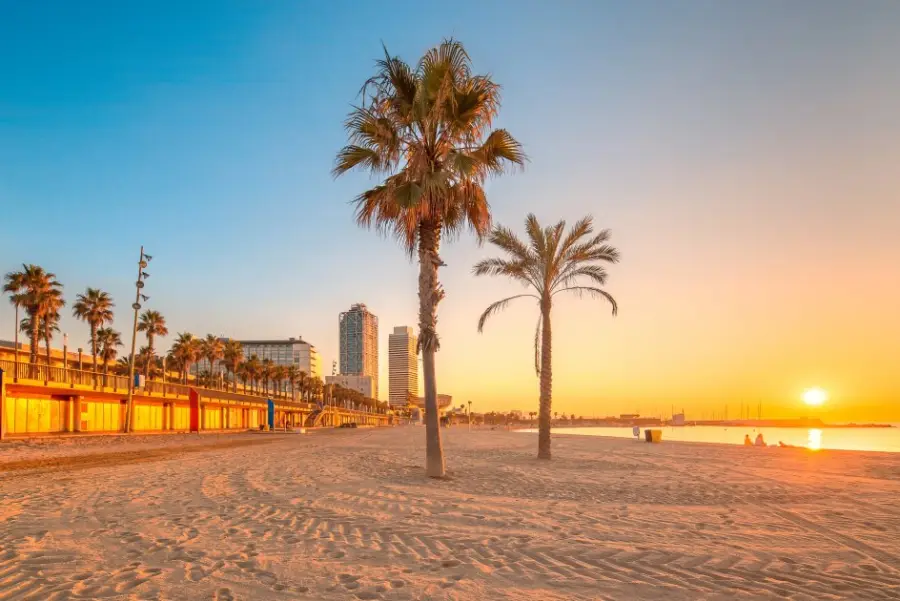
The main city beach with 1.5 km of shoreline and marina views.
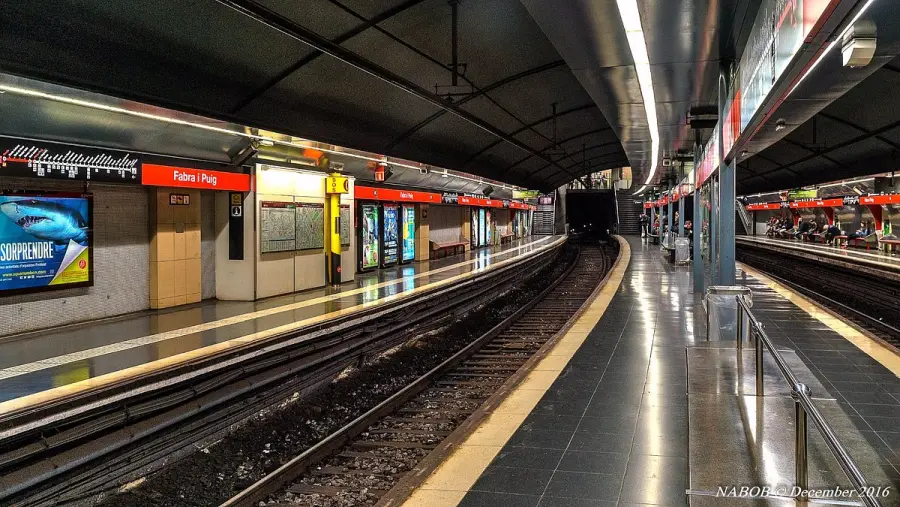
Fares, T-casual passes and the best routes to and from the airport.
The metro runs from 5 am to midnight, with all-night service Friday and until 2 am Saturday. The best ticket for visitors is the T-casual — 10 single rides on one card.
El Prat airport is linked to the centre via L9 Sud (around 30 minutes to Plaça de Catalunya).
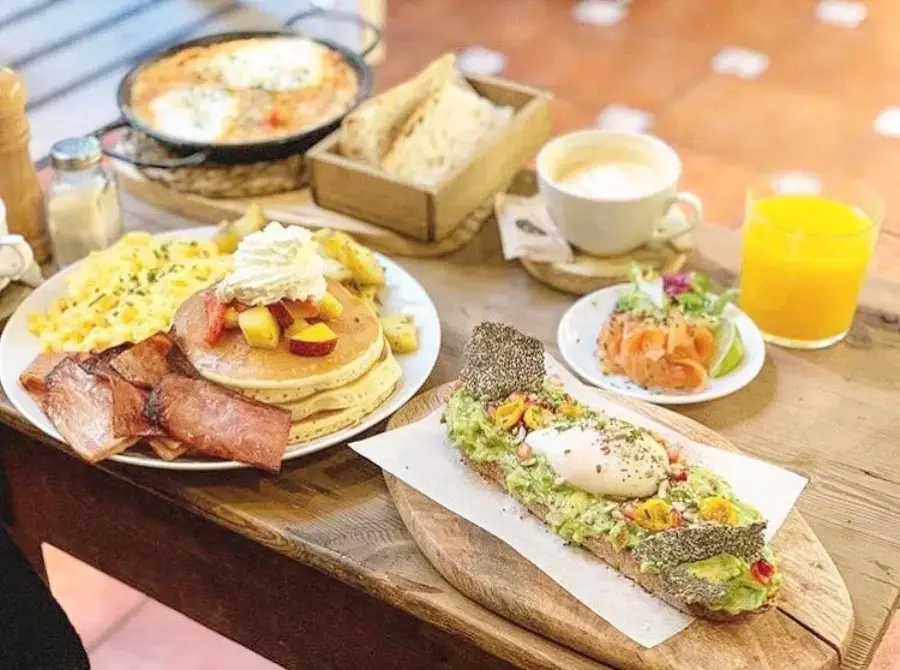
Tapas, paella, jamón and sherry — a short culinary guide.
The classics: pa amb tomàquet (bread with tomato and olive oil), patatas bravas and squid a la romana.
Paella is best at port-side restaurants. Catalan crema (crema catalana) is a must-try dessert.
For produce, head to La Boqueria market just off La Rambla — fresh seafood, jamón and fruit smoothies all under one roof.
Booking a bus to Barcelona online with SoloWay is simple: compare carriers, departure times and "from" prices, choose your seat, and pay by card or in cash to the driver. Your e-ticket arrives by email right away, and services run regularly throughout the year.